
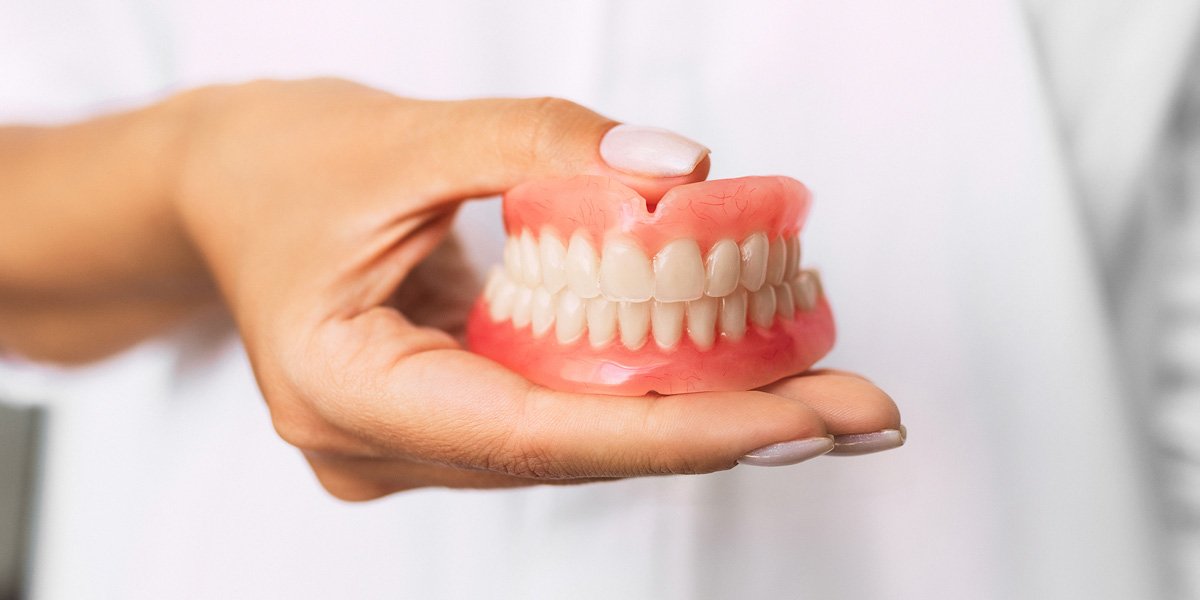
A dental prosthesis is a customized dental solution designed to restore the masticatory, phonetic, and aesthetic functions of missing teeth. The selection between a removable, fixed, or implant-supported prosthesis is determined based on the patient's degree of tooth loss, the condition of the remaining dentition, jawbone density, financial considerations, and daily comfort expectations.
For a patient presenting with tooth loss, the primary question is not merely "Should I get a denture?", but rather "Is a removable, fixed, or implant-supported prosthesis right for me?". Consequently, prosthetic planning should not be treated as a simple selection of "false teeth," but rather as a comprehensive treatment phase meticulously evaluated and personalized by a dentist.
What is a Dental Prosthesis and Who is a Suitable Candidate?
A dental prosthesis is an artificial tooth and supporting structure fabricated to replace missing teeth. Different types of prostheses can be selected depending on whether the patient presents with a single missing tooth, multiple missing teeth, or completely edentulous jaws. The optimal variant is planned in accordance with the patient's oral anatomy, masticatory needs, and the condition of the remaining natural teeth.
Prostheses are fundamentally classified into two main categories: removable prostheses and fixed prostheses. A removable prosthesis is a structure that can be taken out of the mouth by the patient for cleaning and maintenance. A fixed prosthesis, conversely, is permanently secured to natural teeth or dental implants and cannot be removed daily by the patient.
This restorative approach may be indicated in the following clinical scenarios:
- Loss of a single tooth or multiple teeth;
- Complete edentulism in either or both arches;
- Compromised or weakened masticatory function;
- Tooth loss negatively impacting speech and aesthetic appearance;
- An existing prosthesis becoming loose, unstable, or uncomfortable to use;
- Cases requiring individual planning for implants, crowns, or bridges.
The same type of prosthesis may not be universally suitable for every patient. For instance, while a flexible nylon denture may provide a comfortable option for one individual, a cast partial framework denture (bugel denture) may be clinically superior for another based on their occlusion and the stability of the abutment teeth.
What Problems Can Tooth Loss Cause?
When tooth loss is not restored in a timely manner, it can adversely affect mastication, speech, facial aesthetics, and overall intraoral balance. Specifically, the loss of posterior teeth shifts the masticatory load, whereas anterior tooth loss primarily impacts aesthetic appearance and phonetic clarity. Therefore, tooth loss must never be evaluated solely as a cosmetic concern.
Patients frequently perceive missing teeth merely as an aesthetic inconvenience. However, the absence of posterior teeth severely compromises the proper breakdown of food, which can diminish daily nutritional efficiency and comfort.
Furthermore, prolonged edentulism in a specific area can lead to progressive residual ridge resorption (bone loss) in the jaw. Remaining teeth may tilt or drift into the edentulous space, disrupting the occlusal balance. For these reasons, tooth loss should be promptly evaluated by a dental professional.
For example, if a patient has lost posterior teeth in the mandible and attempts to chew exclusively with their anterior teeth, excessive occlusal forces will be transferred to the anterior segment over time. In such scenarios, treatment planning must extend beyond merely filling the gap to address the comprehensive occlusion and masticatory framework.
What is the Difference Between Removable and Fixed Prostheses?
A removable prosthesis is a device that the patient can remove daily for hygiene purposes, whereas a fixed prosthesis is permanently anchored to teeth or implants and cannot be removed by the patient. The choice between these modalities depends on patient comfort, bone volume, remaining dentition, oral hygiene compliance, and budget constraints. Understanding this distinction is vital for making an informed treatment decision.
Removable prostheses are generally more accessible and can provide a non-surgical solution in various clinical scenarios. Consequently, they are frequently discussed for patients presenting with partial or complete edentulism. However, they typically require an initial adaptation period during the first few weeks of wear.
Fixed prostheses offer superior masticatory stability and a feeling that closely mimics natural teeth. Nevertheless, this option requires a meticulous clinical evaluation of the intraoral environment, periodontal health, jawbone volume, and implant compatibility.
| Comparison Criteria | Removable Prosthesis | Fixed Prosthesis |
|---|---|---|
| Mode of Use | Removed by the patient | Permanently secured by the clinician |
| Indications | Complete or partial tooth loss | Supported by natural teeth or dental implants |
| Comfort & Stability | May require an initial adaptation period | Provides higher stability and structural retention |
| Hygiene Routine | Removed from the mouth for cleaning | Requires specialized oral hygiene care within the mouth |
| Cost Range | Generally more accessible | Higher due to material selection and implant requirements |
| Final Decision | Determined via comprehensive clinical examination | Planned through examination and diagnostic imaging |
Who is a Removable Prosthesis Suitable For?
A removable prosthesis is a restorative option suitable for patients who have lost several teeth or an entire dental arch. This modality is particularly considered for individuals who are not eligible candidates for implant placement, wish to avoid surgical interventions, or are seeking a more cost-effective treatment. Suitability is evaluated based on arch dimensions and ridge anatomy.
Removable dentures are custom-fabricated to match the specific dimensions of the patient's oral cavity. To ensure a stable and comfortable fit, accurate impressions, proper occlusal registration, and anatomical ridge architecture must be thoroughly assessed.
During the initial days of wear, patients may experience a foreign body sensation, minor speech alterations, and a need for caution during mastication. These symptoms do not signify a failure of the prosthesis; rather, they emphasize the necessity for a routine adjustment period and minor clinical relines or corrections.
If a denture causes localized irritation or sore spots on the gums, the patient must strictly avoid attempting to cut, trim, sand, or repair the prosthesis at home using commercial adhesives. In all such instances, a dentist should be consulted for professional adjustments.
Who is a Fixed Prosthesis Suitable For?
A fixed prosthesis may be indicated for patients seeking enhanced masticatory stability and seamless daily functional comfort. These restorations are engineered over natural teeth or dental implants. In cases of complete edentulism, implant-supported fixed options can be evaluated. Suitability relies heavily on bone volume, periodontal health, and occlusal relationships.
This treatment modality is not universally applicable to all individuals, as the clinical decision is predicated on residual bone volume, periodontal health, and occlusal harmony. The health of the remaining teeth, the patient's commitment to oral hygiene, and their daily functional expectations must be prioritized beforehand.
If an implant-supported fixed prosthesis is planned, 3D dental imaging (CBCT) and a thorough clinical assessment become indispensable. The structural condition of the jawbone, systemic health factors, and long-term oral hygiene habits must be fully vetted to ensure successful implant integration.
While the primary benefit of a fixed prosthesis is its exceptional stability, this does not absolve the patient from the necessity of maintaining meticulous home care and attending routine professional recall appointments.
What Are the Types of Removable Prostheses?
The varieties of removable prostheses are selected based on the extent of the patient's tooth loss and their unique oral anatomy. The most frequently utilized options include complete dentures, partial dentures, cast partial framework dentures (bugel dentures), and flexible nylon dentures. These types vary considerably regarding aesthetic integration, functional comfort, retention mechanisms, and care protocols.
When is a Complete Removable Denture Indicated?
A complete removable denture is indicated when all natural teeth within a single arch have been lost. This prosthesis relies directly on the residual alveolar ridge for support and is custom-fabricated based on individual impressions to restore mastication, speech, and facial aesthetics. Suitability is determined by oral anatomy, ridge configuration, and the patient's adaptive capacity.
Complete dentures can be planned for the maxillary arch, the mandibular arch, or both arches simultaneously. Achieving an accurate and stable fit that conforms precisely to the patient's mucosal anatomy is the most critical factor for clinical success.
Retention in the maxillary arch is often more readily achieved due to the surface area of the palate creating a natural seal. Conversely, complete dentures in the mandibular arch frequently exhibit higher mobility due to the movements of the tongue, the buccinator muscles, and a smaller bony bearing area.
Patients are advised to begin with a soft food diet during the initial phase and avoid incising or chewing excessively hard substances immediately. If speech alterations occur, reading aloud and gradual practice can significantly accelerate neuromuscular adaptation.
In Which Cases Are Partial Removable Dentures Utilized?
A partial removable denture is indicated when some healthy natural teeth remain in the oral cavity, serving to replace the missing dentition within the arch. This prosthesis derives structural retention and support from the remaining natural teeth and can be designed using various configurations depending on the case. The long-term health of the abutment teeth is a primary prerequisite for the comfort and longevity of this appliance.
When selecting a partial denture, the structural integrity of the supporting teeth is paramount. If the abutment teeth exhibit mobility, periodontal pocketing, or improper occlusal alignment, these underlying conditions must be resolved first.
Certain partial denture designs require visible retention clasps. If these clasps present an aesthetic concern for the patient, more cosmetic alternatives, such as precision attachments or flexible materials, should be discussed with the clinician.
What is a Bugel Denture (Cast Partial Framework) and Who is it For?
A bugel denture is a specialized partial removable prosthesis featuring a cast metal framework. It is designed to secure retention by engaging the remaining natural dentition, offering a significantly more stable and rigid configuration compared to traditional acrylic partial dentures. This option is primarily considered for partially edentulous patients whose remaining teeth can safely withstand the structural load.
This design is not universally applicable. The structural health of the supporting teeth, periodontal integrity, and overall occlusion must be thoroughly evaluated. If the abutment teeth are insufficient or structurally compromised, an alternative prosthetic plan must be pursued.
The principal advantages of a bugel denture include its superior stability and the ability to fabricate a much thinner, less bulky framework. Its clinical limitations include the potential visibility of metal elements in aesthetic zones and the patient's need to adapt to the rigid structural components.
When is a Flexible Nylon Denture More Appropriate?
Flexible nylon dentures are widely recognized as a removable prosthetic alternative fabricated from elastic, thermoplastic polymers. This modality can be considered for patients who desire to avoid the appearance of metal clasps and are seeking an aesthetically pleasing removable appliance. However, this option is not structurally suitable for all oral conditions, and its selection must be validated by a clinical examination.
While this material appears highly appealing due to its flexibility and immediate comfort, the assumption that "softer is always better" is clinically inaccurate. The patient's occlusion, the span of the edentulous space, ridge configuration, and distribution of the masticatory load must be factored into the decision.
In certain instances, the adjustment, relining, and long-term maintenance of nylon dentures require a fundamentally different clinical approach than classic acrylic variants. Consequently, the selection should never be based solely on cosmetic preferences.
Who is a Fixed Prosthesis Most Suitable For?
Fixed prostheses are non-removable dental appliances engineered over natural teeth or dental implants that cannot be taken out by the patient daily. These restorations can be custom-designed to address single-tooth anomalies, multi-unit spaces, or completely edentulous arches. A fixed prosthesis is primarily discussed for patients who demand optimal functional stability, though ultimate suitability is verified via examination.
Who is a Full-Arch Fixed Prosthesis Intended For?
A full-arch fixed prosthesis is a comprehensive implant-supported restorative option indicated for completely edentulous patients. In this approach, the full-arch appliance is permanently screwed or cemented onto dental implants, providing an exceptionally stable functional experience that far surpasses traditional removable dentures. Suitability is dependent on available bone volume, soft tissue health, and systemic health status.
To safely proceed with this modality, the clinician must carefully evaluate the height and width of the alveolar bone, the condition of the gingival tissues, the patient’s systemic medical background, and their occlusal balance. Some patients may require ancillary bone grafting, sinus lifts, or staged treatment protocols before final prosthetic delivery.
The objective of a full-arch fixed restoration extends beyond mere tooth replacement; it requires the synchronous restoration of masticatory efficiency, facial profile support, phonetic ease, and daily quality of life.
What is an Implant-Supported Fixed Prosthesis?
An implant-supported fixed prosthesis is a non-removable dental restoration fabricated directly over osseointegrated dental implants. The implants act as artificial roots within the jawbone, providing solid abutments upon which the final prosthetic superstructure is anchored. This methodology is heavily favored for patients seeking reliable chewing power who wish to avoid the mobility and mucosal irritation associated with removable dentures.
Nonetheless, patient candidacy must be strictly validated by a dentist. Systemic factors such as uncontrolled diabetes, heavy tobacco use, active periodontal disease, inadequate bone dimensions, and poor oral hygiene compliance can significantly influence the predictability of the outcome.
In the planning of implant-supported restorations, precise implant positioning within the bone, peri-implant tissue health, occlusal parameters, and long-term hygiene accessibility must be strictly monitored. Although rare, clinical risks such as peri-implantitis, prosthetic screw loosening, implant failure, or minor occlusal discrepancies may arise and require professional management.
How is the Number of Implants Determined in Full-Arch Restorations?
When planning an implant-supported fixed prosthesis for a completely edentulous arch, the ideal number of implants is calculated based on the patient's residual bone volume, skeletal relationship, masticatory forces, and the overall treatment design. Depending on these variables, contemporary clinical protocols such as All-on-4 or All-on-6 may be considered. The final prescription must rely on detailed clinical examinations and high-resolution diagnostic imaging.
The primary concern here is not simply an arbitrary number of implants. The clinician must holistically evaluate bone quality, soft tissue health, opposing dentition, and the patient's specific functional goals.
While a 4-implant configuration may be structurally sound for one individual, an entirely different biomechanical layout may be required for another. Therefore, the implant count must be finalized through personalized digital and clinical planning rather than generalized guidelines.
Which Dental Specialist Should You Consult for a Prosthesis?
For dental prosthetic treatments, it is essential to consult a dentist who possesses extensive experience in comprehensive prosthetic planning. In complex cases, this treatment is ideally managed by a prosthodontist (prosthetic specialist). The overriding objective is not merely to plug an empty space, but to holistically balance the occlusion, jawbone integrity, adjacent teeth, and periodontal tissues.
When selecting the appropriate type of prosthesis, the dentist carefully evaluates the patient’s chief complaints, dietary habits, aesthetic expectations, and financial parameters. If the patient already wears an old prosthesis, the underlying reasons for its discomfort or functional failure must be thoroughly investigated.
At our practice, prosthetic planning by Dr. Ummahanı Huseynova is conducted on the foundation of an individualized dental examination. During this assessment, intraoral health, the structural stability of the remaining dentition, occlusal dynamics, and the expected patient compliance are meticulously analyzed.
This structured approach empowers patients to make realistic, well-informed decisions. For instance, a patient may express a strong preference for a fixed restoration, yet their underlying bone and soft tissue architecture may dictate preparatory treatments first. Conversely, in other scenarios, a removable appliance may emerge as the most practical and efficient choice.
How Does the Clinician Evaluate the Ideal Prosthetic Option?
A clinician does not determine the optimal prosthetic option simply by counting missing teeth. The patient's occlusion, residual ridge morphology, periodontal status, structural stability of the remaining dentition, and daily oral hygiene habits are all factored into the calculation. Consequently, the prosthetic modality is never standardized beforehand; it is custom-planned based on individual diagnostic data.
Furthermore, the patient's primary complaints, chewing difficulties, aesthetic desires, and past experiences with dental appliances are carefully reviewed. This data ensures the selection of a prosthesis that aligns with both clinical requirements and personal lifestyle needs.
Which Dental Prosthesis is Right for Me?
The prosthesis best suited for your mouth is chosen in accordance with your specific degree of tooth loss, the structural health of your remaining teeth, jawbone availability, occlusal parameters, and personal comfort desires. It is highly inadvisable to make a final decision based solely on cost or recommendations from acquaintances. While a preliminary orientation can be guided by clinical criteria, the definitive prescription requires an in-person examination.
| Patient Presentation | Potential Prosthetic Option | Rationale for Discussion |
|---|---|---|
| Completely edentulous arch | Complete denture OR implant-supported fixed prosthesis | Selected based on budget, bone availability, and comfort expectations |
| Partially edentulous arch | Partial removable denture, bugel denture, or implant-supported restoration | The condition of the remaining teeth serves as the primary determining factor |
| Desires a more aesthetic removable option | Flexible nylon denture | Considered to minimize or eliminate the visibility of metal components |
| Demands a highly stable removable option | Bugel denture (Cast partial) | Provides superior stability and retention if abutment teeth are sound |
| Existing removable denture shifts or slips | Re-evaluation for relining, remaking, or implant stabilization | The precise etiology must be diagnosed via clinical examination |
| Demands maximum masticatory stability | Implant-supported fixed prosthesis | Candidacy and bone volume must be verified via 3D imaging |
When an old denture shifts or slips during function, the patient may experience severe anxiety while eating, fear sudden dislodgement during speech, and suffer a loss of confidence in social environments. In such cases, the underlying issue may stem not only from the appliance itself, but from progressive bone remodeling, changes in tissue contour, or altered occlusal relationships.
Please note that this table is intended solely as an initial educational guide. Your final treatment plan must be established after a thorough clinical examination by a qualified dentist.
How is a Dental Prosthesis Fabricated?
The fabrication of a dental prosthesis encompasses several structured clinical and laboratory phases. It begins with an initial diagnostic workup, followed by high-precision oral impressions, occlusal registration, and structural design planning. The appliance is custom-crafted in a dental laboratory, undergoes clinical try-ins, and is meticulously adjusted as required. This process is imperative to guarantee an accurate, comfortable, and biocompatible fit.
The standard workflow typically proceeds through the following milestones:
- Initial diagnostic clinical examination;
- Panoramic radiography or 3D cone-beam computed tomography (CBCT);
- High-precision intraoral impressions or digital scanning;
- Selection of tooth shade, morphology, and material parameters;
- Occlusal registration and jaw relation verification;
- Clinical try-in phase of the framework or wax setup;
- Final delivery of the completed prosthesis;
- Post-insertion adjustments and routine follow-up care.
During the initial phase, the clinician reviews the patient's complaints and functional goals. The edentulous spans, remaining teeth, gingival margins, and occlusal paths are carefully checked. Panoramic X-rays or 3D dental imaging are utilized as necessary to assess bone morphology.
Subsequently, accurate impressions are obtained. Based on these models, the prosthetic base, tooth arrangement, color matching, and maxillomandibular relationships are planned. Clinical try-ins are performed to verify aesthetics, speech articulation, and structural accuracy before final processing.
Upon final delivery, the patient receives explicit instructions regarding usage protocols and hygiene maintenance. If localized soreness, pressure points, or minor speech difficulties occur during the initial weeks, the patient must return for professional clinical adjustments.
What Factors Determine the Cost of a Dental Prosthesis?
The financial investment required for a dental prosthesis varies significantly from one patient to another. The total cost is determined by the specific type of prosthesis, the materials utilized, whether it covers a single arch or both arches, the necessity for dental implants, specialized laboratory techniques, and preparatory treatments. A definitive cost estimate can only be established following an in-person clinical examination and personalized treatment planning.
The primary variables influencing the final cost include:
- Whether the prosthesis is removable or permanently fixed;
- Whether it is a partial or full-arch restoration;
- The quality and type of materials selected (e.g., acrylic, zirconia, porcelain-fused-to-metal);
- The total number of implants and the specific implant system utilized;
- The clinical health and stability of the remaining teeth;
- The necessity for preparatory periodontal (gum) therapies;
- Required pre-prosthetic extractions or surgical ridge alveolar preparation;
- The complexity of the dental laboratory technical work;
- Whether transitional temporary prostheses are required during the healing phases.
| Cost Variable | Reason for Variance |
|---|---|
| Material Selection | Acrylic, nylon, cast metal frameworks, and implant superstructures demand vastly different laboratory processes |
| Implant Incorporation | The quantity of implants, surgical staging, and specialized abutment parts alter the final cost |
| Preparatory Procedures | The need for periodontal treatments, strategic extractions, and advanced imaging modifies the total plan |
| Prosthetic Scope | Single-arch versus dual-arch, and partial versus complete coverage creates substantial cost differentials |
Removable dentures are generally recognized as a more financially accessible modality. Conversely, for fixed and implant-supported options, the cost incorporates the surgical placement of implants, advanced surgical components, biocompatible materials, and a significantly broader clinical scope.
The most prudent approach for a patient is to look beyond simply finding the "cheapest option." An improperly designed prosthesis can result in chronic mucosal acceleration, severe retention failure, speech impairment, and chewing difficulties. Therefore, alongside financial considerations, functional comfort, material safety, clinical expertise, and long-term follow-up support must be heavily weighted.
How to Adapt to and Care for Your Dental Prosthesis
Adapting to a new dental prosthesis requires patience and time. Experiencing a foreign body sensation, temporary alterations in speech articulation, and a heightened awareness while chewing are entirely normal occurrences during the initial days. Adhering to strict care guidelines, performing daily cleaning routines, and attending scheduled recall appointments will greatly facilitate comfort. If irritation persists, home modifications must be strictly avoided.
Patients utilizing removable prostheses must perform meticulous daily hygiene. To prevent the accumulation of food debris, adhesive residues, and bacterial plaque (calculus), the appliance must be cleaned thoroughly using an appropriate soft-bristle denture brush and specialized non-abrasive cleansers.
The prosthesis should never be placed in hot or boiling water, as extreme temperatures can severely distort the thermoplastic base material. When removed from the mouth, it must be stored in a moist environment, such as plain water or a specialized denture-soaking solution, strictly following the clinician's recommendations.
The daily mechanical and chemical cleaning of prostheses is critical to prevent the development of foul odors, bacterial plaque accumulation, and pathogenic biofilms. This disciplined care routine protects the longevity of the appliance while safeguarding the health of the underlying oral mucosa.
Removing a removable prosthesis at night is highly beneficial for most patients, as it allows the soft tissues and bony structures of the arch to rest. However, this decision should always be aligned with the specific clinical guidance provided by your dentist based on your oral condition.
The remaining natural dentition, gingival tissues, and tongue must also be thoroughly brushed and kept clean. Maintaining immaculate intraoral hygiene is just as critical as cleaning the appliance itself to ensure long-term prosthetic success and prevent secondary infections.
If the prosthesis continuously pinches the gums, creates painful ulcerations, or slips during mastication, you must schedule an appointment with your dentist immediately. Attempting to cut, file, heat-modify, or glue the prosthesis at home is unsafe and will ruin the appliance.
What Are the Risks and Limitations Associated with Prostheses?
Although dental prostheses represent highly effective reconstructive solutions, each modality carries intrinsic clinical limitations. Removable dentures are susceptible to neuromuscular adaptation challenges, localized mucosal sore spots, and progressive structural loosening over time. Implant-supported options, on the other hand, necessitate careful vetting of bone parameters, soft tissue health, and systemic medical risks. Treatment choices must therefore be guided by realistic clinical expectations.
Removable dentures can gradually lose their original adaptation and retention over time. This common phenomenon occurs due to structural wear of the appliance, natural alterations in oral musculature, and the progressive, continuous resorption of the underlying jawbone. When this occurs, clinical relining, rebasing, or complete fabrication of a new device becomes necessary.
For implant-supported fixed restorations, maintaining exemplary oral hygiene is of paramount importance. The health of the peri-implant soft tissues must be preserved through rigorous home care. Without regular professional monitoring and professional cleanings, the risk of peri-implant inflammation and bone loss increases markedly.
Furthermore, if a patient exhibits a history of heavy tobacco use, poorly controlled diabetes, active periodontal disease, or severe generalized bone loss, implant planning must be approached with heightened clinical vigilance. These risk factors can interfere with proper healing or necessitate extensive preparatory bone grafting phases.
What is Performed During the Initial Prosthetic Consultation in Baku?
For individuals seeking high-quality dental prosthetic treatments in Baku, the indispensable first step is a comprehensive consultation and clinical examination. During this session, the clinician thoroughly evaluates the edentulous areas, the structural integrity of the remaining teeth, jawbone volume, periodontal health, and the patient's lifestyle expectations. This visit is essential to define the optimal type of prosthesis, map the treatment phases, and outline the factors affecting the overall cost.
At our clinic, prosthetic planning by Dr. Ummahanı Huseynova is executed with a highly personalized approach. The clinical indications, advantages, and limitations of removable, fixed, nylon, bugel, and implant-supported prostheses are clearly explained to the patient in direct relation to their intraoral findings.
Patients who are dissatisfied with their old dentures are highly encouraged to bring them to this initial consultation. Evaluating the existing appliance allows the clinician to diagnose the precise causes of functional failure—whether the instability stems from impression inaccuracies, progressive ridge resorption, structural wear, or altered occlusal dimensions.
The definitive treatment cost and the specific prosthetic design can only be finalized following this in-person diagnostic workup, as every patient presents with a unique anatomical structure and distinct therapeutic requirements.
Frequently Asked Questions
Conclusion
The selection of a dental prosthesis is far more complex than simply choosing between a removable or fixed appliance. A truly successful outcome relies on a comprehensive clinical synthesis of the patient's degree of tooth loss, residual bone volume, the health of the remaining dentition, periodontal condition, occlusal parameters, financial boundaries, and daily lifestyle expectations.
To determine the ideal restorative pathway among modern removable, fixed, or implant-supported prostheses in Baku, you are invited to schedule an expert clinical consultation. During your examination, your individual oral health parameters and functional goals will be thoroughly analyzed to design a highly precise, personalized prosthetic treatment plan.
